
Game day nutrition
Due to the physical nature of games, players can cover large distances which are interspersed with high-speed running and sprinting. The increase in distance and intensity throughout the game, can cause a significant reduction in our bodies fuel stores which contributes to the onset of fatigue. Consequently, players can experience decrements in running metrics such as total distance, high speed running and sprint distance.
Getting your nutrition strategy right before and during the game can help delay fatigue and prevent performance from suffering. Carbohydrates are our muscles primary fuel source during games. They are broken down and used by our muscles to support high intensity activities such as repeated sprinting, jumping, kicking and tackling throughout the game. Additionally, carbohydrates fuel the brain, supporting decision making, reaction time and concentration to prevent mistakes from being made which can be the difference between winning and losing a game! Therefore, fueling with carbohydrates before and during the game is essential to ensure both physical and mental performance are optimized.
How much should you consume?
Players often make the mistake of putting too much of an emphasis on their pre-exercise meal, often neglecting to prioritize their nutrition in the days preceding the game. Although, your pre-exercise meal is important to get right, it has been shown that even when GAA players meet carbohydrates requirements in their pre-exercise meal, it is not enough to make up for a reduced intake of carbohydrates in the days prior to exercise.
It is advised to consume 7g of carbohydrates for every kilo you weigh in the 24 – 36 hours prior the game (e.g. 80kg athlete would require 560g of carbohydrates). Unfortunately, up to 61% of GAA have a sup optimal carbohydrate intake in preparation for games (Cassidy et al. 2018). This intake can seem high. Start small and increase your carbohydrate intake gradually.
What does that look like?
This could simply be a case of adding in a high carbohydrate snack or increase the portions of carbohydrates with your main meals. Here is an example below of the different foods that contain 50g of carbohydrates to help you devise your own match day -1 fueling strategy.
What does 50g of carbohydrates look?

Here is example of a match day -1 fueling strategy for an 80kg player (560g of carbohydrates).

During Exercise
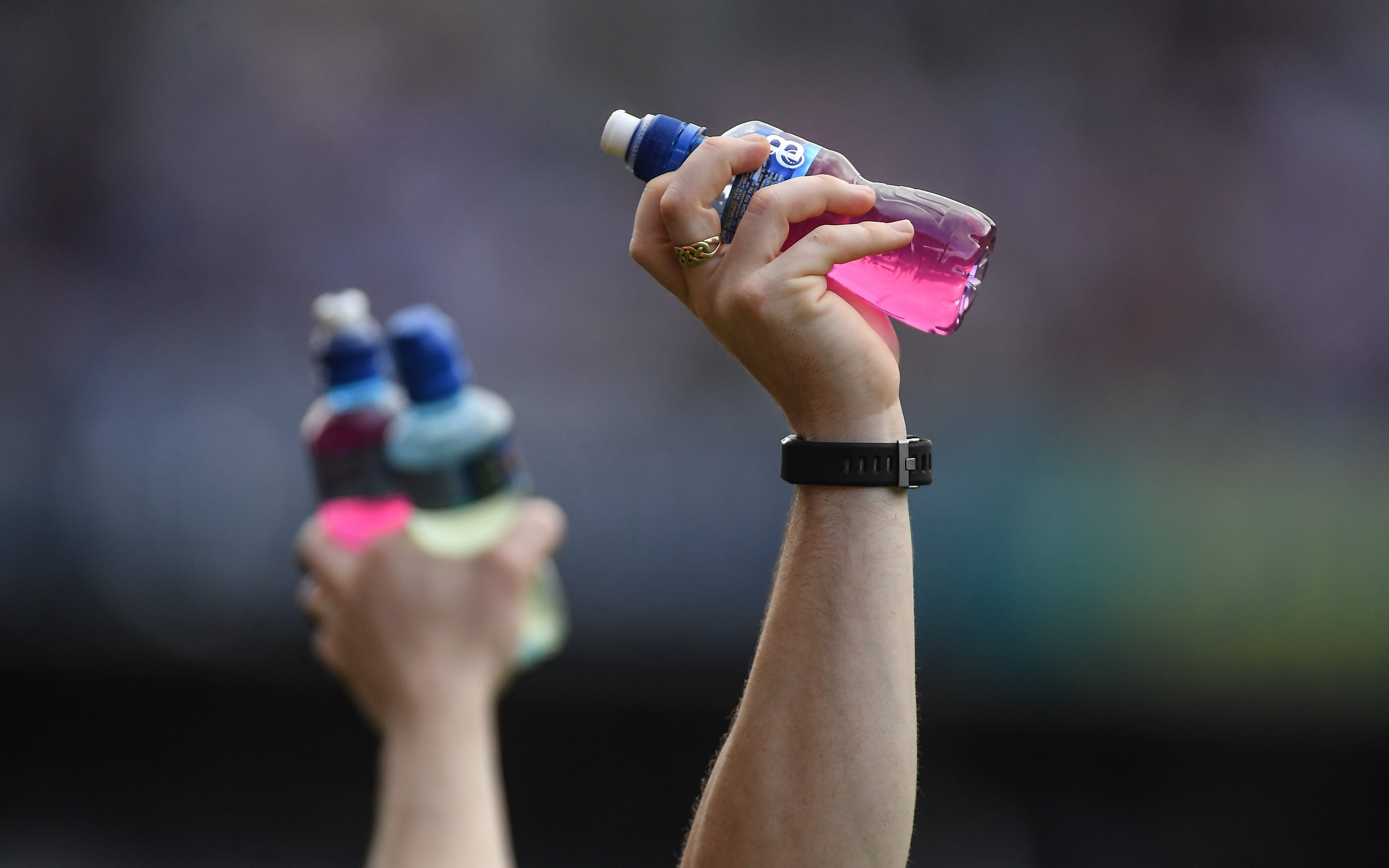
It is not necessary to eat anything or drink sports drinks during shorter duration, low intensity training sessions – water is fine to help maintain hydration. During high intensity sessions or sessions lasting more than 1.5 hours, energy may need to be replaced to keep players running further and faster and also help maintain skills and judgement when players would otherwise become tired. Sipping on homemade sports drinks is ideal as it hydrates the body and replaces energy at the same time.
Practical tips
Be proactive and not reactive. Plan your fueling strategy. Knowing what to eat is great but putting it into practice is key to ensure your fueling strategy is a success. Write down the type of meals and snacks you plan on having using the examples above as a guide. This will help make your shopping trip efficient and ensure you have the foods available when preparing your meals. You can then plan your meals and snacks around your schedule!
Keep fibre intake low (Fruit, vegetables, wholegrain products). Fibre is important for gut health, however, too much fibre can cause gut issues which can negatively impact performance. Additionally, fibre can increase feelings of fullness, impacting our ability to consume the recommended amount of carbohydrates. Examples of high carbohydrate, low fibre options would be white bread, white rice, white pasta, coco pops, cornflakes, cereal bars, sweets, sports drink etc.
Reduce fat and protein intake. Both fat and protein are important to achieve a balanced diet. However, to optimize our fueling strategy in the 24-36 hours before a game, we want to prioritize carbohydrates (Cereals, breads, pasta, rice) and reduce intake of foods such as pizzas, pastries, deep fried foods etc.
Include liquid carbohydrates. It can be difficult consuming the recommended amount of carbohydrates from foods. Opting for liquid carbohydrates (Orange juice, sports drinks, smoothies) are great options to increase carbohydrates without feeling too full!
Reduce your activity levels the day before a game. Exercise, especially moderate – high intensity exercise can reduce muscle glycogen stores (Stored carbohydrates), therefore its important to reduce your activity levels the day before your game.
Don’t try anything new. Stick to foods you are familiar with and trial new foods around training before adding them in to your match day fueling strategy. This will ensure you can tolerate the foods and minimize potential gut issues.
- Section Downloads
- Screenshot_2025-10-23_at_12.51.50
- meal-plan
Interested in finding out more?
If you would like any more information about any of the resources within the PALs Microsite you can contact a member of our team.


Ulster GAA / CLG Uladh

